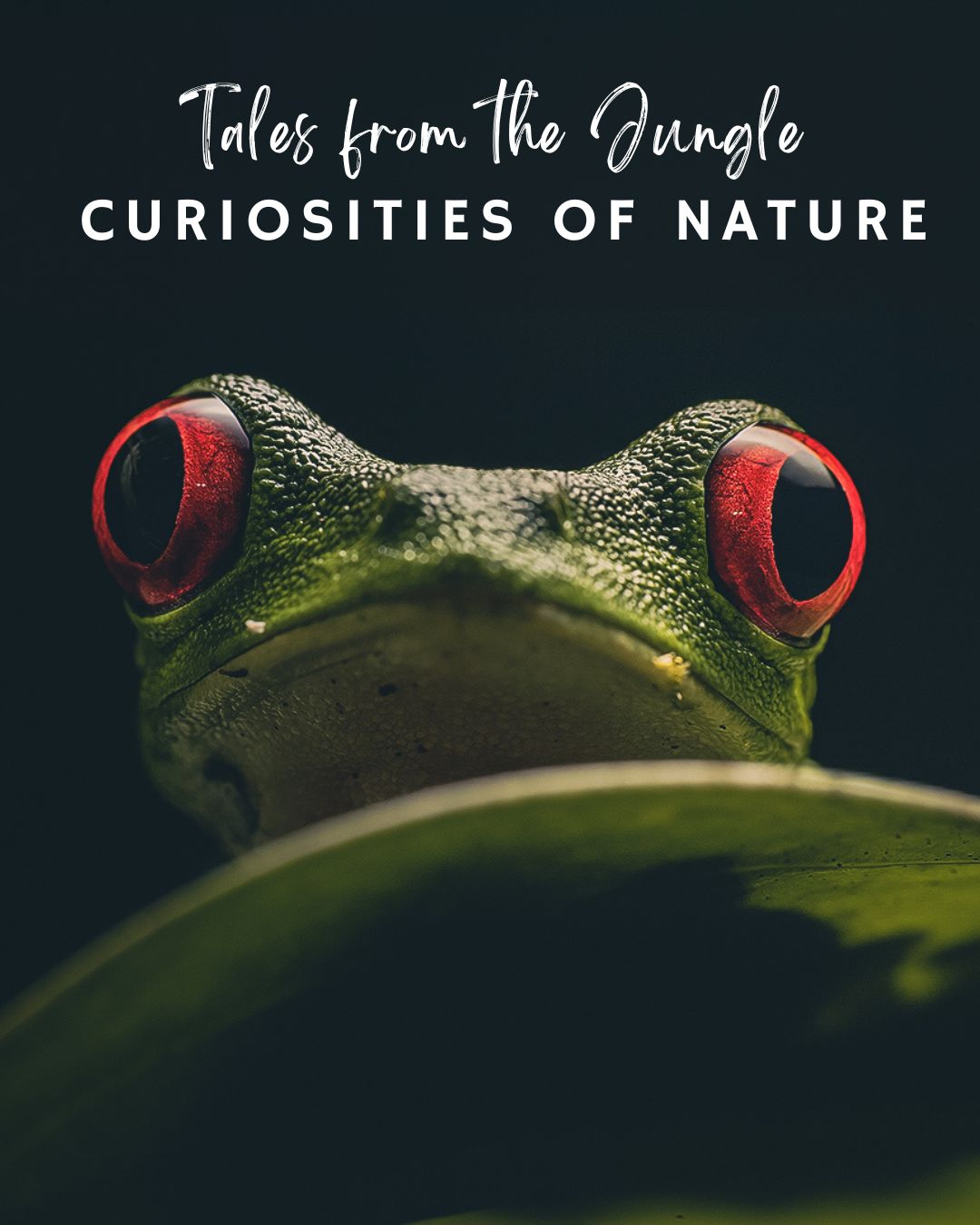
Most people walk through a rainforest believing it is chaotic — a green wall of leaves, trunks, shadows, noise, and movement. They think the jungle hides its secrets, that finding wildlife is a matter of luck, or magic, or special eyesight.
But the truth is far simpler and far more beautiful:
the rainforest reveals itself to those who learn how to look.
When I guide people through the forest — whether in the humid daytime heat or the still humid, enchanting darkness of a night walk — I can always feel the moment when their vision shifts. It usually happens after the first few discoveries: a tiny frog no bigger than a fingernail, a camouflaged katydid perfectly imitating a leaf, or a spider the size of a grain of rice hiding under bark.
They suddenly realize: the jungle is not hiding. We just haven’t learned to see it.
And that’s when their world opens.
Below, I want to share the deeper version of what the rainforest has taught me — not only as a naturalist, but as a woman who has spent years falling in love with the invisible world.
This is how to train your eyes for the jungle.
1. Walk as if every step matters
Most people walk too fast.
Not intentionally — it’s simply the rhythm of daily life.
But in the jungle, speed is the greatest enemy of observation.
When you slow down, your senses adjust. The eyes soften. The mind stops rushing ahead. Your attention expands outward instead of collapsing inward.
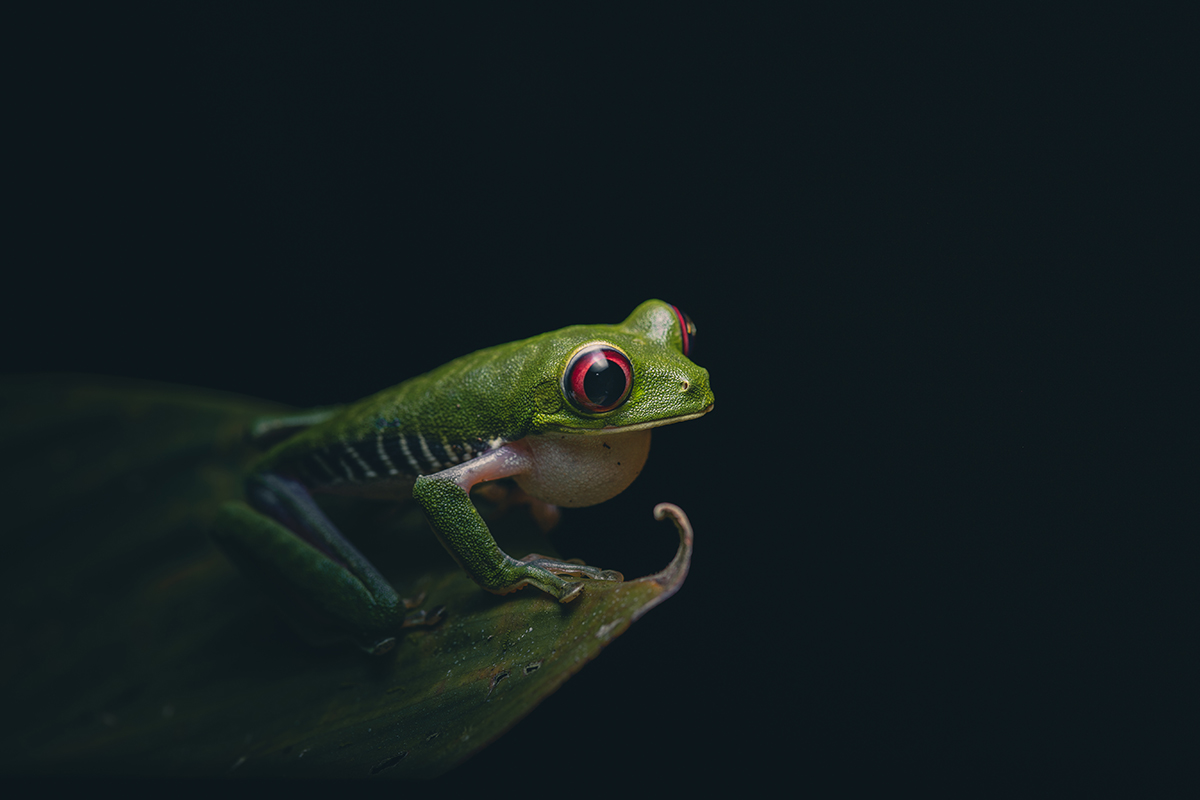
Suddenly, you notice the curve of a leaf, the glimmer of dew, the silhouette of a frog resting on a branch.
In the forest, life is small, delicate, and often still.
If you walk as if you’re late for something, you’ll miss everything.
2. Look at things, not for things
Searching for something creates tension. The mind becomes narrow: “I want to see a frog.”
Everything else disappears.
But when you look at your surroundings — without expectation — the jungle becomes a mosaic of clues.
A tiny imperfection in a leaf.
A texture that doesn’t quite match.
A curve that feels too round for a plant.
A line too straight for a branch.
Animals are everywhere, but they are masters of blending in. When you stop chasing and start observing, your eyes begin to find the stories hiding in plain sight.
3. Let shapes and patterns guide your vision
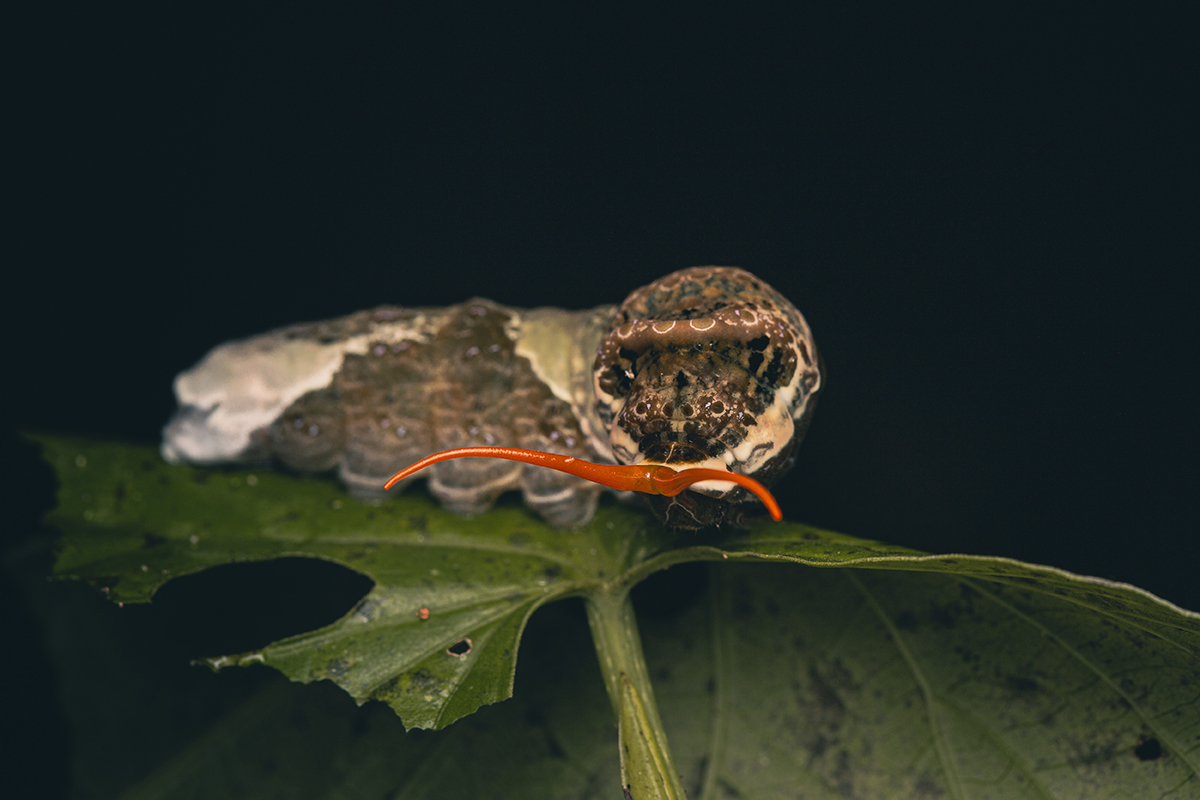
Camouflage is an art form in the rainforest.
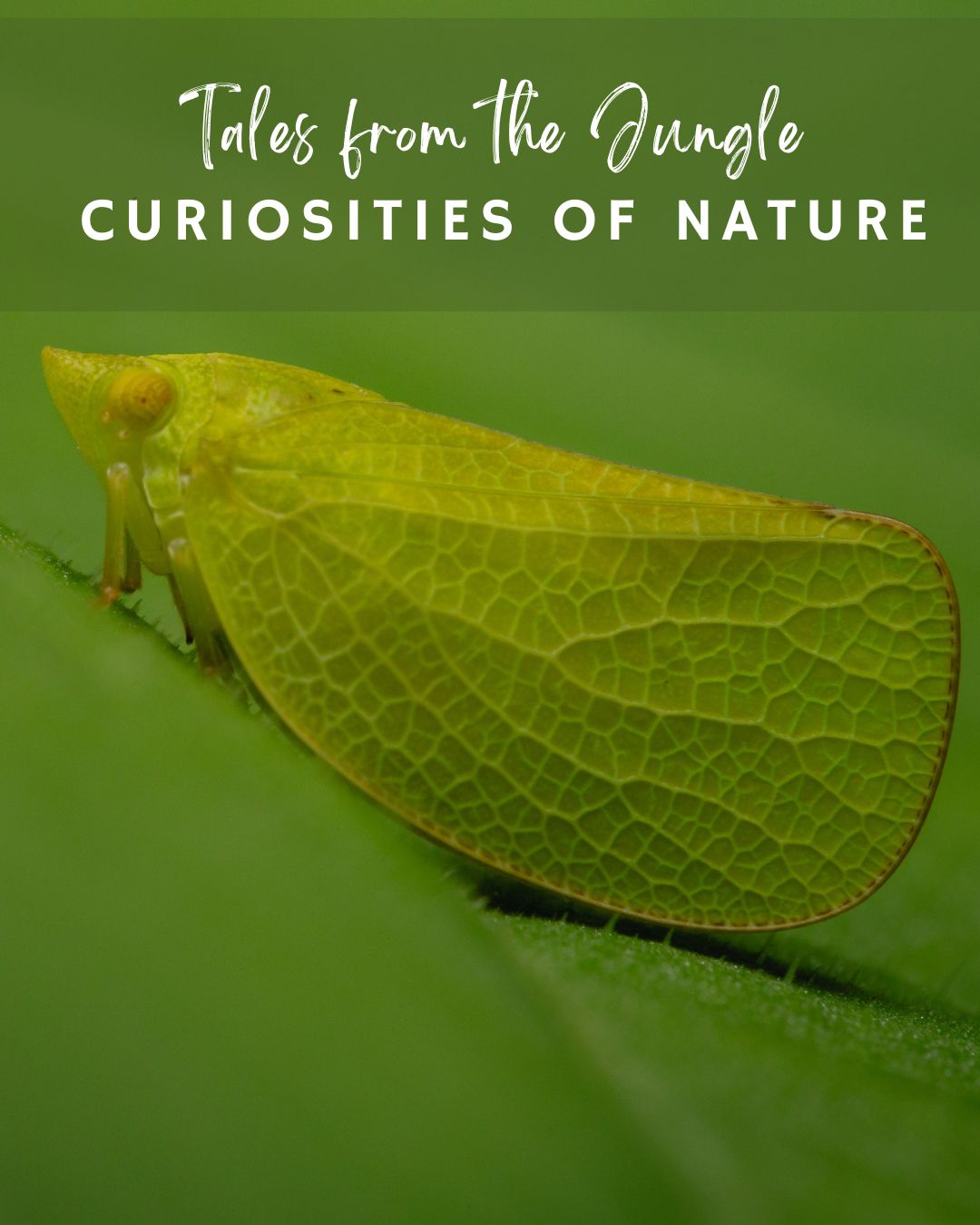
A leaf-mimicking katydid will have fake veins.
A stick insect will align its body perfectly with the branch.
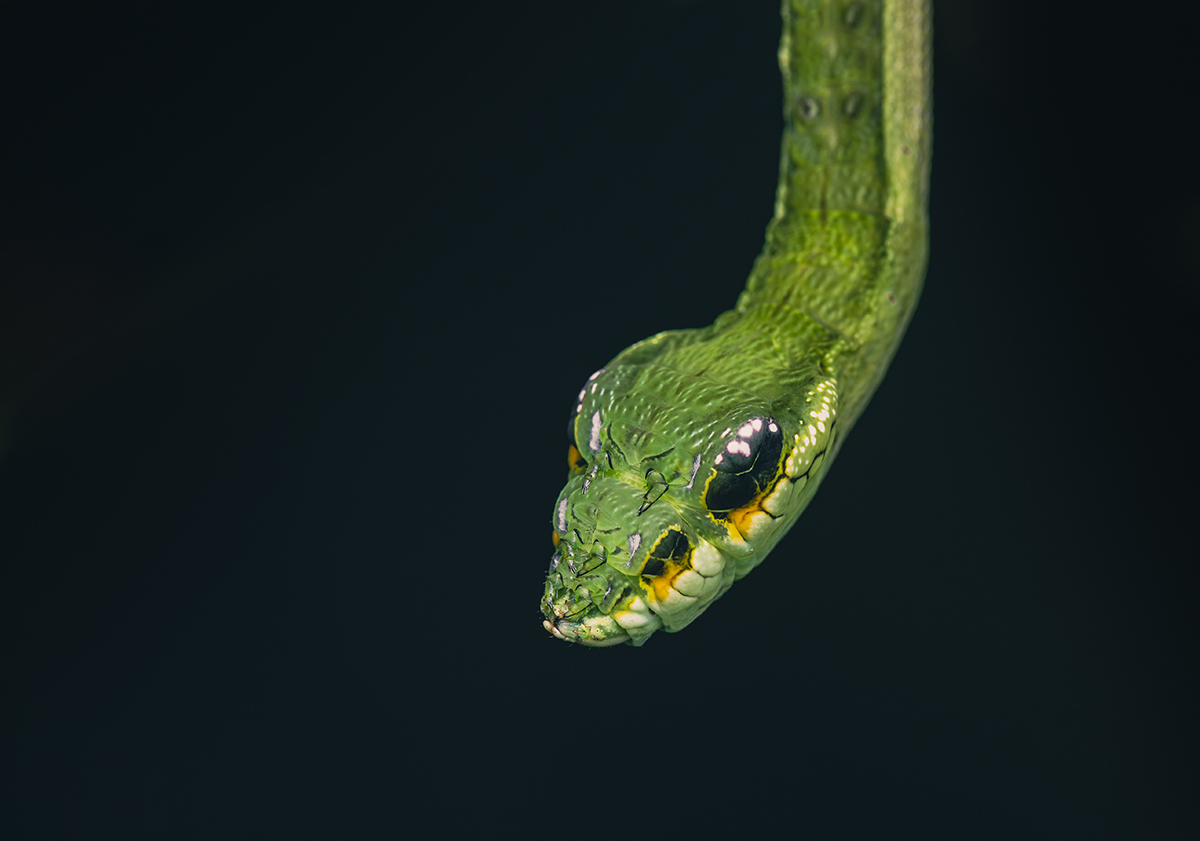
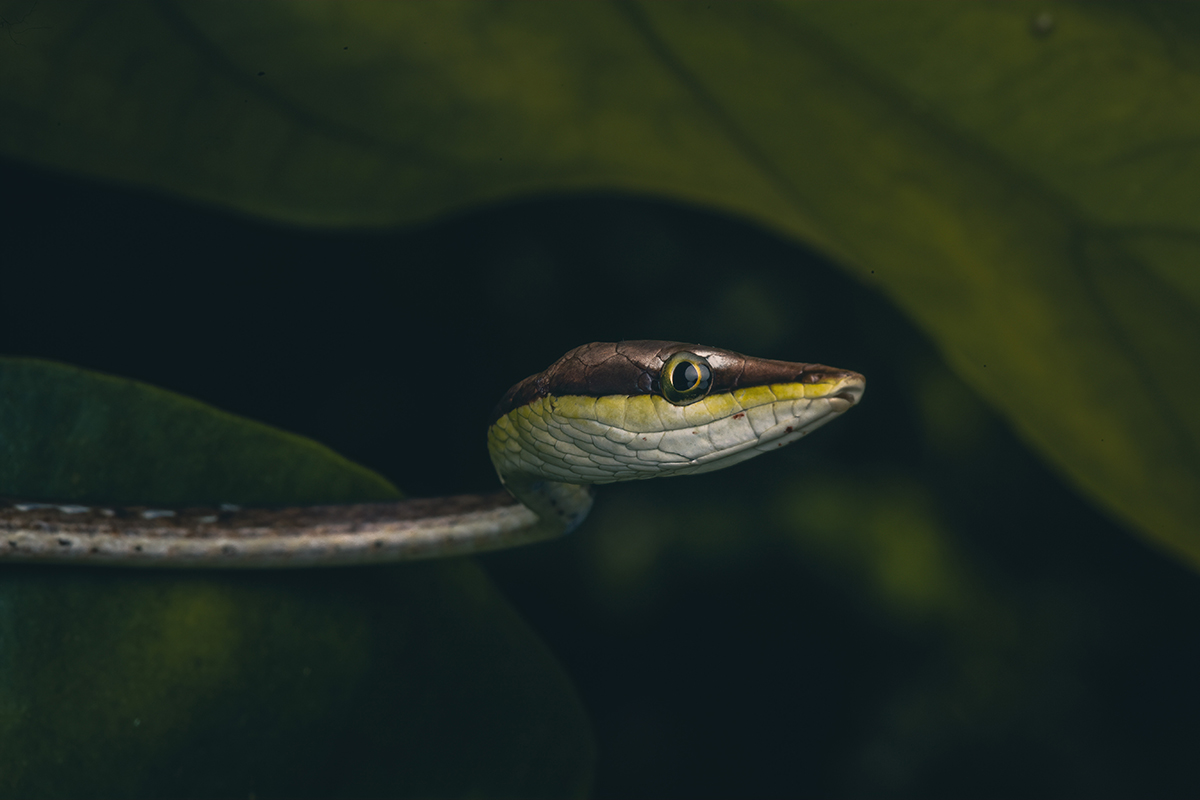
A snake will coil in a pattern that imitates leaf litter.
A jumping spider will hide its shape in geometry.
Learning to see is learning to detect patterns that don’t belong.
The mind loves symmetry. The jungle loves asymmetry.
Wherever symmetry appears — a rounded bump, a perfect triangle, an even shape — look closer. Life often hides in the geometry.
4. Train your eyes to detect micro-movements
Many animals in the rainforest don’t want to be noticed, so they stay still.
But they can’t stop their tiny movements:
-
the heartbeat-like pulse of a frog’s throat
-
the subtle twitch of a spider cleaning its legs
-
the quiet shift of an insect repositioning its antennae
-
the faint flicker of wings under a leaf
Movement is one of the most reliable indicators of life.
The smaller the creature, the smaller the movement — but the more magical it feels to find it.
5. Use light as your ally
Light in the forest is not just illumination — it’s a tool.
During the day, light creates contrasts:
A shadow where no shadow should be can reveal an insect or a lizard.
A glint of reflection might be a frog’s moist skin.
A change in brightness between leaf layers can expose a camouflaged spider.
At night, the world transforms.
Eyeshine becomes a secret language:
-
spiders glow like tiny diamonds
-
frogs have soft, rounded reflections
-
snakes show elongated, steady eyeshine
-
mammals have bright, forward-facing flares
With a headlamp in hand, suddenly the invisible becomes visible.
Light is not just something you use — it becomes a dialogue between you and the forest.
6. Listen before you look
In the jungle, your ears often detect the animal before your eyes do.
The “tik-tik” of a calling frog.
The delicate rustle of a lizard climbing a leaf.
The faint tap of a beetle landing.
The chorus of insects shifting as you approach.
Even silence tells you something — when the forest goes suddenly quiet, a predator may be near.
The soundscape of the rainforest is like a topographic map.
Once you learn to read it, it will guide your eyes directly to life.
7. Get close — but with respect
To see the tiny world, you must enter its scale.
Kneel.
Sit.
Put your nose near the leaf litter (carefully!).
Examine the underside of a leaf.
Look into cracks in the bark.
Peer closely at moss, roots, branches, bromeliads, and rotting logs.
Every centimeter of the forest holds stories.
But always with respect:
Your presence should not disturb the creature’s life.
Observation is sacred.
8. Trust your intuition
This may sound mystical, but intuition is a tool of the naturalist.
There are moments when something simply feels out of place. When the forest pulls your attention to a certain spot — even if you don’t know why.
Follow that feeling.
Many of my best discoveries — rare frogs, hidden reptiles, extraordinary insects — happened because I listened to the subtle tug of intuition. Often it’s your subconscious detecting patterns your conscious mind hasn’t recognized yet.
Nature speaks in whispers.
Intuition helps you hear them.
9. Let curiosity be your compass
Curiosity is the most powerful skill in the forest — more important than experience, training, or knowledge.
Be willing to stop for anything that catches your eye.
Be willing to look again.
Be willing to kneel in the mud.
Be willing to ask questions: What is this? Why does it behave like that? How does it survive here?
The more curious you are, the richer the forest becomes.
The jungle loves those who pay attention.
In the end, seeing the unseeable is a way of life
You don’t need special eyes to see the hidden world.
You just need presence.
Patience.
Respect.
And a sense of wonder.
Once you train your senses to notice the invisible, something extraordinary happens:
you carry that skill everywhere.
You start seeing details in your daily life — textures, patterns, small miracles you never noticed before.
Your vision expands.
Your world becomes richer.
And the jungle?
It stops being a mystery.
It becomes a teacher — one that reveals its secrets one tiny miracle at a time.

Leave A Comment