The more I learn about evolution and biology, the more surprised I am by nature.
I know this sounds strange. Evolution is something I have studied for years. As a biologist, I have always known that the incredible diversity of life around us is the result of countless generations of change, shaped by selection, chance, constraints, and an endless interaction between organisms and their environments.
And yet, the more I learn about evolution, physiology, behavior, and the story of life itself, the less ordinary the natural world seems.
Sometimes I am walking through the forest and notice something I have probably walked past hundreds of times before. A tiny insect on a leaf. A spider that looks almost exactly like something else. A strange structure on a plant. A behavior that, at first glance, seems completely unnecessary.
Then I start asking questions.
Why does it look like that?
Why does it behave that way?
What problem is this solving?
How does it actually work?
And suddenly, what looked like a tiny detail becomes the visible result of an incredibly long and complicated story.
That is one of the things I love most about biology: it makes the present feel full of the past.
Every adaptation carries a history.
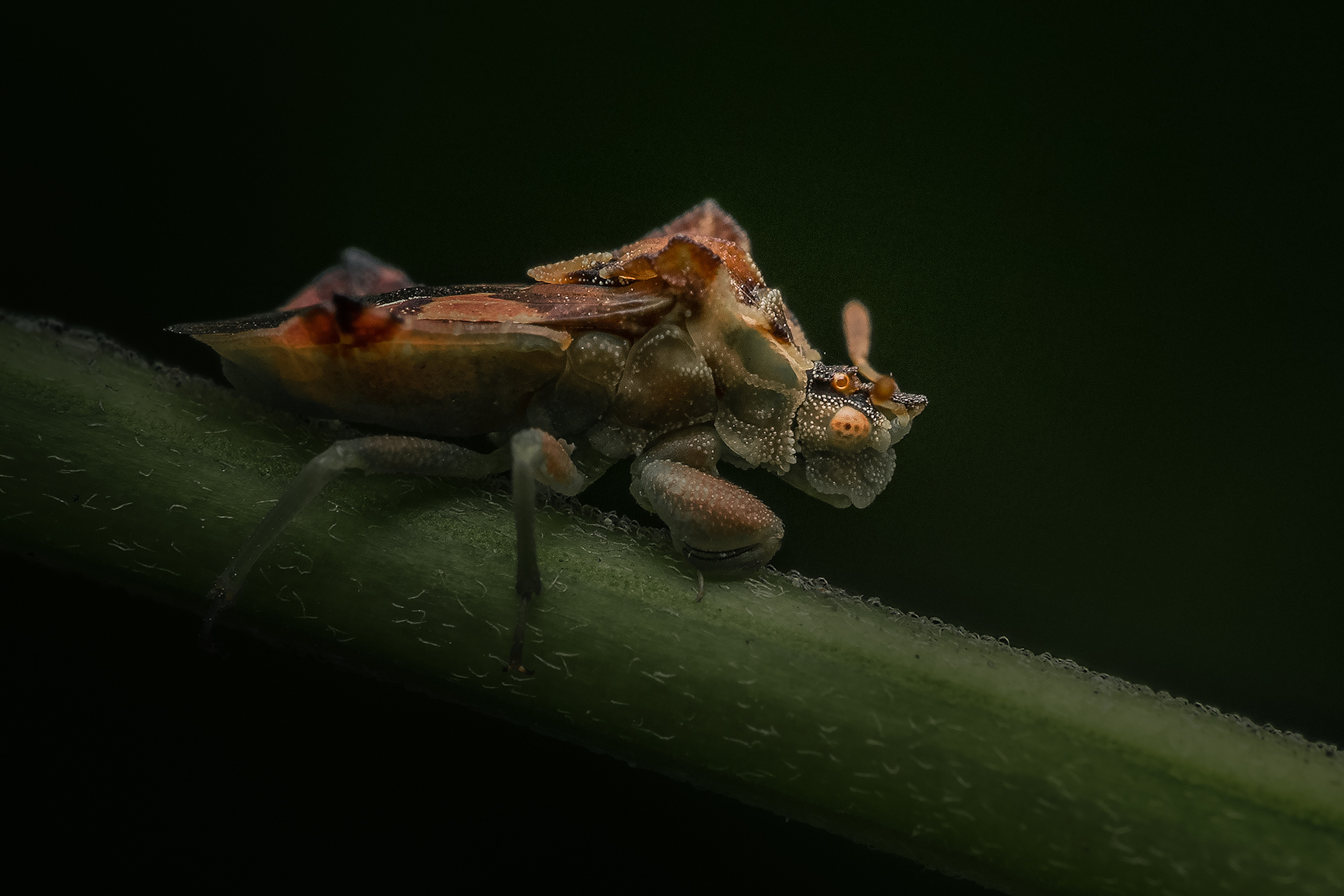
There is something humbling about realizing that what I am looking at is not simply an animal that “looks” a certain way. Its shape, its colors, its behavior, its senses, its way of finding food or avoiding predators — all of these are connected to generations of organisms facing the particular challenges of being alive.
And sometimes those solutions are wonderfully strange.
Evolution does not design organisms from scratch. It works with what already exists, modifying, repurposing, exaggerating, simplifying. It is full of compromises and historical accidents.
Perhaps that is why the living world is so much stranger than anything we could have designed ourselves.
The more I understand those constraints, and the more I learn about the biology behind them, the more fascinating the results become.
I think photography has something to do with this change in the way I see.
When I first became fascinated with macro photography, I was already drawn to the beauty of small creatures. I wanted to see the details that were invisible to the naked eye — the textures, colors, eyes, hairs, strange shapes.
But understanding biology has slowly changed what I look for.
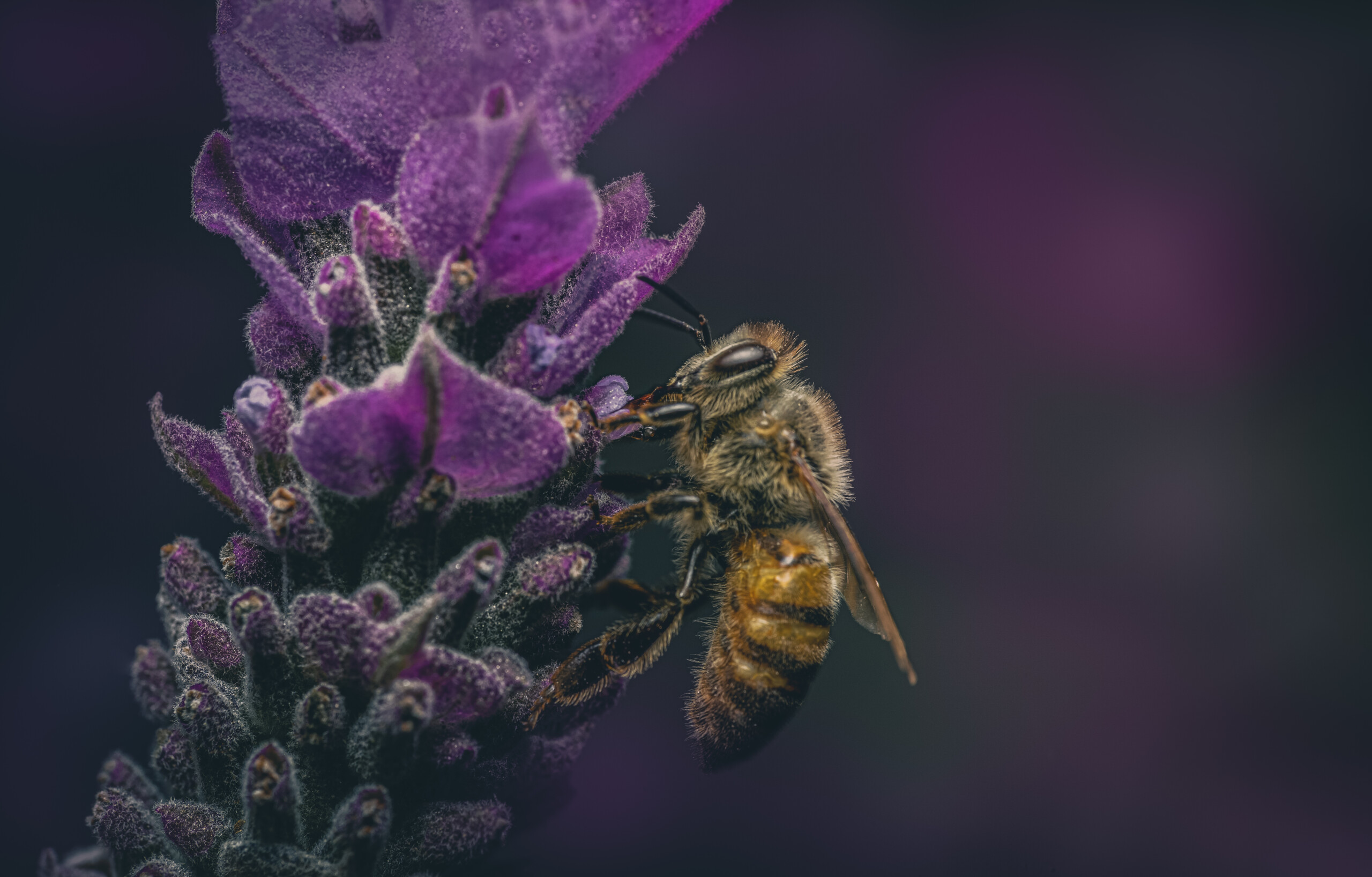
Now I can look at a tiny creature and wonder not only how beautiful it is, but why it is like that.
And that question can completely change a photograph.
A pattern is no longer just a pattern.
A strange body shape is no longer just something visually interesting.
Camouflage becomes a survival strategy.
Mimicry becomes a conversation between predator and prey.
A bizarre appendage becomes the result of an evolutionary history that I will probably never be able to reconstruct completely.
The photograph captures the organism as it exists now.
Biology reminds me that I am looking at only one moment in a story that has been unfolding for an unimaginably long time.
And perhaps this is why learning more science has never taken the mystery away from nature for me.
Quite the opposite.
The more mechanisms I understand, the more questions appear.
I used to think that understanding something meant getting closer to an answer.
Now I sometimes feel that understanding simply gives me better questions.
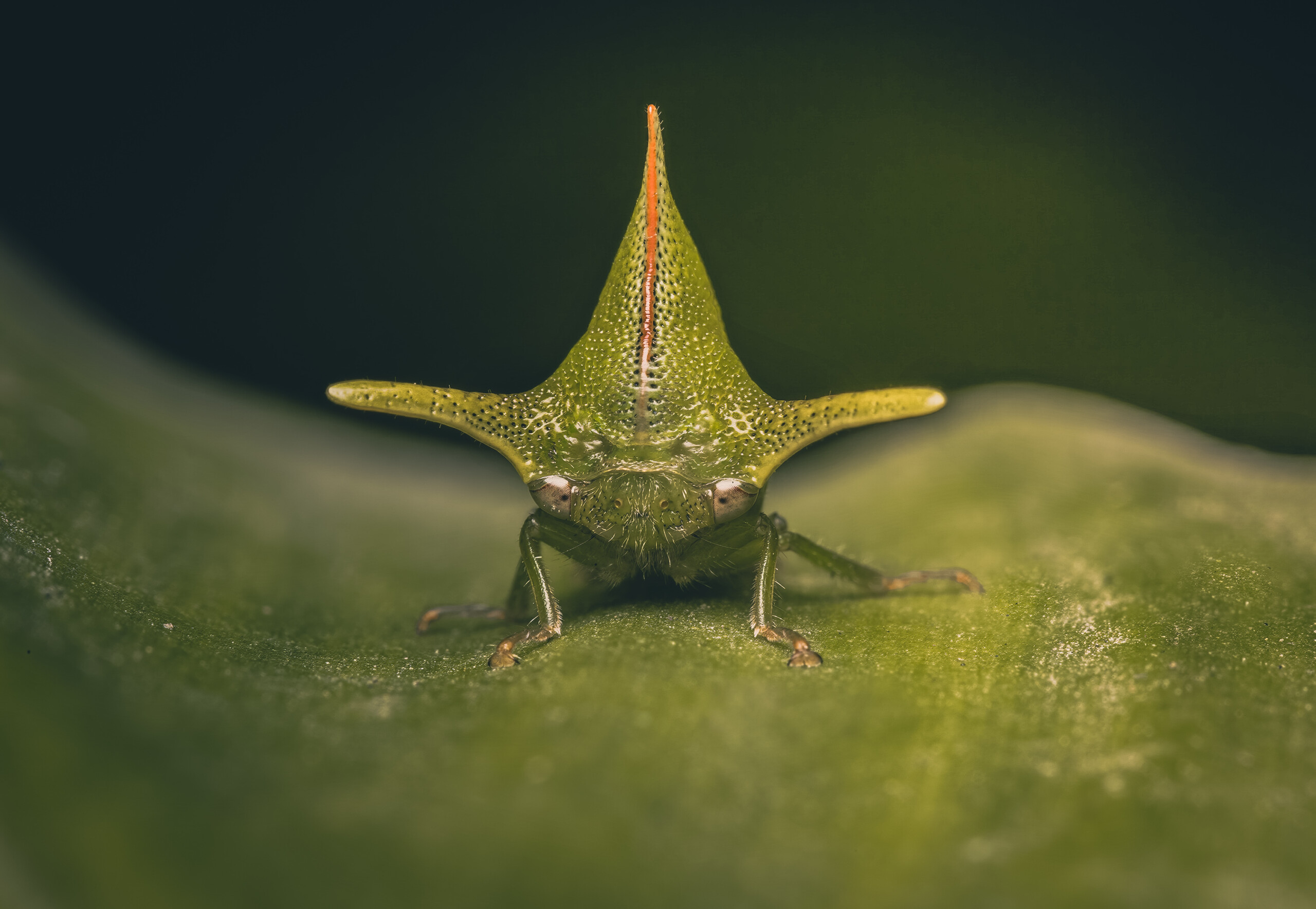
I can learn how an animal perceives its surroundings, how a particular adaptation works, how its body carries out some extraordinary physiological process, or why a certain behavior might have evolved — and instead of feeling that the mystery has been solved, I become even more aware of everything I still don’t know.
There are entire worlds happening around us that we barely perceive.
Lives unfolding beneath leaves, inside flowers, under bark, in the soil, in the darkness.
Signals we cannot see.
Scents we cannot detect.
Patterns our eyes are not equipped to recognize.
Behaviors that may make perfect sense to the organism performing them while remaining almost completely invisible to us.
And maybe that is what continues to surprise me most about biology.
Not simply that evolution has produced so many extraordinary forms of life, but that the deeper I look into how life works, the more layers I discover.
The more I learn about the mechanisms behind life, the history that shaped it, and the incredible diversity of ways organisms have found to exist in this world, the more unpredictable and extraordinary it all seems.
The more I understand, the more I realize how little I was seeing.
And perhaps that is why I keep looking.





Cynthia,
This is an excellent and thoughtful essay. I have followed and admired your work for years. Thank you for helping my learning.
Bill
Apasionante es la vida que nos rodea y con la que compartimos todos los días. Coincido en todo con tus comentarios. Gracias!!!